Browsed by
Category: News

Sri Lanka Cancels School Exams Due to Paper Shortage

Sri Lanka Cancels School Exams Due to Paper Shortage

Sri Lanka’s education system is in chaos due to the country’s worst economic crisis since 1948. The severe paper shortage has forced authorities to postpone term tests indefinitely. Millions of students are affected by this unprecedented disruption.

The nation of 22 million lacks essential imports like food, fuel, and medicine. Around two-thirds of Sri Lanka’s 4.5 million students can’t take exams. This paper shortage has paralyzed schools’ ability to assess learning.

Sri Lanka’s economic troubles have caused inflation to soar to 15.1 percent in February. Food prices have risen by a staggering 25.7 percent. The rupee’s value has dropped by over 30 percent, making matters worse.

The education sector is suffering greatly from this resource scarcity. Printers can’t get materials, leaving schools unable to give exams. The long-term effects on Sri Lanka’s youth are deeply concerning.

Sri Lanka’s Education System Disrupted by Economic Crisis

Sri Lanka’s economic crisis has severely impacted education, affecting millions of students. Resource scarcity, including paper shortages, has disrupted the academic calendar. This has hindered learning processes across the country.

The economic challenges have led to widespread disruptions in schools. Students face uncertain futures as their education suffers from these ongoing issues.

Millions of Students Affected by Exam Cancellations

Over 4.3 million students are affected by term test cancellations. These exams are crucial for assessing progress and grade promotion. The indefinite postponement has caused widespread student distress.

Continuous Assessment Process Hindered

Without regular evaluations, teachers struggle to gauge student performance. This setback may lead to long-term academic issues. Students miss out on critical feedback and growth opportunities.

The economic crisis has worsened education access disparities. Rising fuel prices make school transportation unaffordable for many. Only 45% of students have access to internet-based education.

The government faces challenges in allocating resources to education. In 2018, only 2.14% of GDP went to education. This falls short of the recommended 4-6% by Education 2030 Framework.

Without sufficient funding, the education system risks further decline. This could lead to a brain drain as students seek opportunities abroad.

Acute Paper Shortage Cripples Education Sector

Sri Lanka’s education sector faces a severe paper shortage due to dwindling foreign exchange reserves. The government struggles to import essential supplies, affecting millions of students. This scarcity has forced educators to seek alternative solutions for academic continuity.

Limited foreign exchange reserves have restricted paper imports. Printers and publishers can’t get materials for textbooks and exam papers. Schools now use different methods to keep learning going.

Government Struggles to Address Resource Scarcity

Sri Lanka’s government is trying to tackle the paper supply issues. They’re working to allocate limited resources and prioritize education needs. However, the economic crisis makes finding quick solutions difficult.

The government is considering several measures to address the problem:

  • Encouraging the use of digital resources and e-learning platforms
  • Partnering with international organizations to secure essential supplies
  • Implementing conservation measures to minimize paper wastage
  • Exploring alternative paper sources and domestic production capabilities

Educational Institutions Adapt to the Crisis

Schools in Sri Lanka are finding new ways to keep education going. They’re using digital tools and different teaching methods to overcome resource limits. Online platforms, e-books, and virtual classes help fill the gap left by paper shortages.

The paper shortage continues to strain the education system. Government and schools are working together to find long-term solutions. They aim to protect students’ academic progress during this ongoing crisis.

Economic Turmoil Leads to Academic Setbacks

Sri Lanka’s economic crisis has hit the education sector hard. A severe paper shortage has forced the cancellation of school exams for millions of students. This crisis will likely impact student learning and achievement for years to come.

The country’s financial woes stem from reduced tourism and agricultural exports. Sri Lanka’s debt to GDP ratio has reached a staggering 111%. A ban on chemical fertilizers has cost the tea industry $573 million.

The government struggles to address resource scarcity and repay debts. Meanwhile, the education sector continues to suffer. Sri Lanka has achieved self-sufficiency in poultry, but ensuring uninterrupted learning remains a challenge.

Officials are seeking ways to minimize disruptions to education. However, economic challenges persist. Inflation hit 18.7% in March 2022, and diesel fuel shortages are expected to worsen.

These academic setbacks will likely affect the future workforce and economic growth. Urgent measures are needed to address Sri Lanka’s economic turmoil and its impact on education.

FAQ

Why has Sri Lanka cancelled school exams for millions of students?

Sri Lanka has run out of printing paper due to a severe financial crisis. This shortage has forced the cancellation of school exams. The crisis has affected about two-thirds of the country’s 4.5 million students.

How many students are affected by the cancellation of term tests in Sri Lanka?

Around 3 million students can’t take their term tests. These tests are vital for grade promotion at year’s end. The cancellation impacts two-thirds of Sri Lanka’s student population.

What has caused the acute paper shortage in Sri Lanka?

Sri Lanka lacks foreign exchange reserves to buy essential imports. Printers can’t get paper and ink due to this currency crisis. This has led to a severe scarcity of printing materials.

How is the Sri Lankan government addressing the education crisis caused by the paper shortage?

The government is trying to find ways to assess students without paper tests. They’re working to minimize disruptions to education. However, economic challenges make this task difficult.

What are the long-term impacts of the education crisis in Sri Lanka?

The exam cancellations are just one part of Sri Lanka’s broader education crisis. This situation may harm student learning and achievement long-term. It could affect students’ future prospects and the country’s overall development.

Kandy Esala Perahera Festival Returns in Full Splendor After Pandemic Restrictions Lifted

Kandy Esala Perahera Festival Returns in Full Splendor After Pandemic Restrictions Lifted

Kandy, a historic city in Sri Lanka, buzzed with excitement during the Esala Perahera festival. The event showcased vibrant colors, mesmerizing dances, and deep-rooted traditions. After a year of restrictions, the festival returned, captivating local and global audiences.

Organizers adapted to new norms, ensuring a safe and memorable celebration. The event ran from August 13th to 23rd, 2021. It followed strict health guidelines while highlighting rich Sri Lankan culture.

Kandy Esala Perahera Festival Returns in Full Splendor

The festival was live-streamed in seven languages to promote Sri Lanka. These included English, Sinhala, Tamil, Thai, Chinese, Cambodian, and Japanese. This collaboration between tourism bodies attracted nearly 16,000 international viewers.

The Kandy Esala Perahera festival proves Sri Lankan resilience and adaptability. Organizers used technology to connect the physical and virtual worlds. This allowed people worldwide to experience the magic of this centuries-old tradition.

A Triumphant Comeback: Kandy Esala Perahera Festival Shines Brightly

Sri Lanka’s iconic Buddhist festival, the Kandy Esala Perahera, has returned after pandemic restrictions. Vibrant costumes, fire dances, and whip crackers once again grace Kandy’s streets. Locals and tourists are captivated by the mesmerizing spectacle.

Overcoming Pandemic Challenges

Festival organizers faced numerous hurdles due to the global pandemic. Their determination and careful planning brought back the event in full splendor. This successful comeback showcases the resilience of the Sri Lankan people.

Adapting to New Norms for a Safe Celebration

Safety measures have been implemented to protect participants and spectators. Social distancing and mandatory masks are now part of the event. These adjustments ensure a safe celebration without compromising the festival’s essence.

The Kandy Esala Perahera’s return brings hope and celebrates Sri Lanka’s cultural heritage. Ancient traditions blend with modern precautions, ensuring the festival’s continued success. This beloved event will undoubtedly thrive for generations to come.

The Essence of Kandy Esala Perahera: A Blend of Tradition and Spectacle

The Kandy Esala Perahera is a grand celebration in Sri Lanka. This 10-day festival showcases the country’s rich cultural heritage. Visitors flock to witness the stunning processions during the “Esala” month.

The event holds great historical significance for Sri Lankans. It blends Buddhist traditions with local folklore, creating a unique spectacle.

The Historical Significance of the Festival

The Kandy Esala Perahera dates back to the 4th century. It honors Lord Buddha’s sacred tooth relic, housed in Kandy’s Temple of the Tooth.

The festival also pays tribute to four guardian deities. These include Natha, Vishnu, Kataragama, and Goddess Pattini. This showcases the region’s diverse religious beliefs.

Key Elements of the Perahera Procession

Grand processions are the heart of the Kandy Esala Perahera. They feature traditional Kandyan dancers, fire performers, and skilled drummers.

The elephant pageant is a major highlight. Beautifully adorned elephants parade through the streets in colorful costumes.

A majestic tusker carries a replica of the sacred tooth relic casket. The processions create an atmosphere of joy and cultural pride.

The Role of the Sacred Tooth Relic

The sacred tooth relic is central to the Kandy Esala Perahera. It’s believed to have arrived in Sri Lanka in the 4th century.

The relic symbolizes sovereignty and is a source of blessings. The festival ends with a water-cutting ceremony at the Mahaweli River.

During this ritual, the sacred tooth relic is venerated. Blessings are invoked for the nation’s well-being and its people.

Kandy Esala Perahera Festival Returns in Full Splendor

Kandy’s ancient city bursts with life as the Esala Perahera festival returns. This ten-day event showcases Sri Lanka’s rich cultural heritage. Held annually in July-August, it features traditional dances, music, and a grand elephant parade.

Over 100 adorned elephants march in the festival’s spectacular procession. Hundreds of Kandyan dancers and drummers in traditional attire join them. The Esala Perahera includes five separate parades, each honoring different deities.

Vibrant Displays of Cultural Heritage

The Kandy Esala Perahera festival boasts a 1,600-year history. It’s a living testament to Sri Lanka’s enduring cultural traditions. The festival ends with a procession led by the Maligawa Tusker.

This special elephant carries a replica of the Sacred Tooth Relic. The relic is usually housed in Kandy’s Temple of the Tooth.

Mesmerizing Performances by Dancers and Musicians

Kandy’s streets pulse with the rhythmic beats of skilled drummers. Graceful Kandyan dancers, fire dancers, and whip dancers captivate onlookers. These performers wear elegant costumes that showcase Sri Lanka’s rich artistic heritage.

The Majestic Elephant Procession

A highlight is the merging of four devale peraheras. Each devale is dedicated to a specific deity. Dozens of adorned elephants create a majestic procession that amazes visitors.

This grand display draws people from around the world. They come to experience the essence of Sri Lankan culture and tradition.

Conclusion

The Kandy Esala Perahera festival has made a triumphant return in 2023. This centuries-old tradition dates back to the 3rd century BC. The event showcases Sri Lanka’s rich cultural heritage and religious significance in the sacred city of Kandy.

The festival’s core is the veneration of Buddha’s Sacred Tooth Relic. This relic has been central to the celebration since 310 A.D. The pageant features thousands of dancers, drummers, musicians, and majestic elephants.

The final night is the festival’s peak. It involves about 5,000 performers and 100 elephants. The event ends with the sacred Diya-kepeema ritual at the Mahaweli River in Getambe, Kandy.

The Kandy Esala Perahera’s revival shows Sri Lankan culture’s resilience. It brings joy and unity to the people of Sri Lanka. The event also proves the country’s dedication to preserving its heritage for future generations.

Sri Lanka faces challenges with changing agricultural policies and their economic impact. Yet, the Kandy Esala Perahera remains a symbol of hope and pride for all Sri Lankans.

Sri Lanka’s Foreign Reserves Rebound to $5.5 Billion by April 2024

Sri Lanka’s Foreign Reserves Rebound to $5.5 Billion by April 2024

Sri Lanka’s foreign reserves have bounced back to $5.5 billion by April 2024. This signals a positive trend for the nation’s economic stabilization efforts. The recovery in currency reserves is expected to boost the country’s financial stability.

Foreign Reserves Rebound to $5.5 Billion by April 2024

The World Bank and Asian Development Bank predict positive growth for Sri Lanka in 2024. They project a moderately optimistic outlook over the medium term. The current account may show a slight surplus.

This surplus is likely due to controlled import growth. The revival of tourism and remittances inflows also plays a key role. These factors are vital for strengthening foreign reserves and improving import coverage.

The International Monetary Fund (IMF) has supported Sri Lanka’s economic recovery. Their Extended Fund Facility has helped build up foreign reserves. The government’s debt restructuring efforts have also been crucial.

These actions have created a more stable financial environment. They have boosted confidence among investors and international partners.

Economic Recovery and Stabilization

Sri Lanka’s economy is showing signs of recovery. GDP growth is projected to turn positive in 2024. The World Bank forecasts a 2.2% growth rate for 2024.

This recovery is backed by the IMF’s $2.9 billion bailout package. The package aims to stabilize the economy and promote reforms.

Inflation Expected to Remain Benign in Medium Term

Inflation in Sri Lanka has dropped significantly. Year-on-year headline inflation fell to 1.3% in September 2023. It rose to 4.0% by the end of 2023 due to supply factors.

Core inflation also decreased, showing low demand pressures. Inflation may change due to new VAT rules in January 2024. However, it should stay low as demand remains weak.

Current Account Surplus Driven by Tourism and Remittances

Sri Lanka’s current account surplus is growing. This is due to strong tourism and remittance inflows. Tourism arrivals topped 700,000 in the first 14 weeks of 2024.

Remittances increased to $572 million in March 2024. These inflows are vital for the country’s balance of payments and foreign reserves.

Sri Lanka tourism and remittances

The boost in tourism and remittances helps offset the economic damage. The long crisis has hurt household finances and business activity. As the economy stabilizes, confidence is expected to grow.

Indicator 2023 2024 (Projected)
GDP Growth -3.5% 2.2%
Inflation (Year-end) 4.0% 4.5%
Tourism Arrivals (Jan-Mar) 270,000 700,000
Remittances (March) $475 million $572 million

Foreign Reserves Rebound to $5.5 Billion by April 2024

Sri Lanka’s official reserves have shown a remarkable recovery. They rose from $1.9 billion in late 2022 to $5.5 billion by April 2024. This excludes a swap facility from the People’s Bank of China.

The IMF Extended Fund Facility of $2.9 billion has played a key role. Approved in March 2023, it has greatly boosted the country’s reserve position.

Improved Balance of Payments Position

Sri Lanka faces a growing trade deficit due to rising import spending. However, net inflows from the services sector, especially tourism, have helped offset this.

A new e-visa system and the Pekoe Trail are set to boost tourism. These initiatives, backed by the EU and USAID, should improve the balance of payments.

IMF Extended Fund Facility Supporting Reserve Buildup

The IMF Extended Fund Facility has been crucial for Sri Lanka’s reserve buildup. The country’s commitment to economic reforms has secured this vital support.

Sri Lanka continues to work with the IMF and other partners. This collaboration is expected to strengthen its reserve position and enhance economic stability.

Debt Restructuring Efforts Paving Way for Financial Stability

Sri Lanka is negotiating debt restructuring with international bondholders. These talks are key to restoring debt sustainability and regaining market access.

The government is working hard to reach agreements with creditors. These efforts are creating a better environment for economic growth and investment.

Indicator Value
Foreign Reserves (April 2024) $5.5 billion
IMF Extended Fund Facility $2.9 billion
GDP Growth Forecast (2024) 2.6%

Conclusion

Sri Lanka’s economy is looking up. Foreign reserves are expected to reach $5.5 billion by April 2024. This signals a positive shift in the nation’s economic outlook.

The country’s GDP growth forecast for 2024 has been revised to 2.6%. This contributes to the South Asian subregion’s expansion. The subregion is projected to grow by 6.3% in 2024 and 6.5% in 2025.

However, risks remain. These include the need for deep debt restructuring and potential reform fatigue. Upcoming elections and the recent economic crisis also pose challenges.

These risks are high in Sri Lanka and other South Asian economies. They face high public debt, weak external reserves, and geopolitical tensions.

Implementing the IMF’s structural reform program is crucial. It will boost investor confidence and attract fresh capital inflows. This will support a stronger economic recovery in the medium term.

The Central Bank of Sri Lanka has kept the policy rate at 6 percent. Their medium-term inflation target is 5 percent. Private sector credit growth and lower non-performing loans show a stabilizing financial sector.

The current account deficit is narrowing. Foreign exchange reserves now cover over 4 months of projected imports. Sri Lanka’s economic prospects are improving, despite challenges on the road to recovery.

Sri Lanka Strengthens Diplomatic Ties with India, China

Sri Lanka Strengthens Diplomatic Ties with India, China

Sri Lanka is making big moves in South Asia. It’s boosting its foreign policy by getting closer to India and China. This is crucial because Sri Lanka is in a key spot for sea routes. Seeing how important these partnerships are, especially after a tough economic hit, Sri Lanka is stepping up.

The country got a huge $4 billion aid from India and China is its main lender. President Wickremesinghe is all in on building these relationships. He wants alliances that support Sri Lanka’s future and independence.

Key Takeaways

  • India’s $4 billion economic support supersedes IMF’s assistance during Sri Lanka’s recent fiscal crisis.
  • China’s extensive involvement in post-civil war development projects underscores its significant influence in Sri Lankan affairs.
  • The Janatha Vimukthi Perumana’s stance on foreign policy exhibits a tilt towards China, creating a complex diplomatic landscape.
  • Delicate balancing of Sri Lanka’s alliances with India and China remains a focal point for the administration.
  • India’s proactive “India Out” tourism campaign and immediate aid reflect a strategic investment in Sri Lankan stability.
  • India and China, with competing interests, remain unlikely allies in Sri Lanka’s path to recovery.
  • New initiatives under the “Indo-Lankan investment partnership” highlight India’s commitment to regional solidarity.

Overview of Sri Lanka’s Diplomatic Strategy

Sri Lanka is carefully crafting its foreign policies due to increasing geopolitical rivalry. The country aims to boost its strategic autonomy. Strengthening relationships with major Asian countries, especially India and China, is key. Sri Lanka’s focus is on improving its economy and military, and smoothly handling regional politics. They commit to nonaligned foreign policies.

The nation has a clear stance on global conflict management. Its neutral position in the Ukraine conflict highlights this approach. By staying non-aligned, Sri Lanka wisely manages its international relations during global tensions. Strengthening ties with India shows a smart balance. They are working more on energy and economic areas together.

Engaging diplomatically with India and China brings clear benefits. Projects in defense, trade, and infrastructure are ongoing. These efforts show Sri Lanka’s smart strategy. It aims to gain diplomatically while keeping balanced ties globally.

Sector Initiative Partner Country Details
Defense Capacity-building for Police Officers India Training courses for over 130 officers in India’s premier defense institutions, focusing on counter-terrorism and internal security.
Economic Financial Assistance India Financial support under the “Aid to Sri Lanka” program, reinforcing economic ties and facilitating Sri Lanka’s financial restructuring with international bodies.
Energy Enhanced Cooperation India Agreement in 2023 focused on strengthening energy and economic exchanges, crucial for Sri Lanka’s sustained growth and energy security.

In navigating global diplomacy, Sri Lanka is keen on a balanced, independent policy. By connecting with both India and China, it boosts its role. Sri Lanka aims for regional stability and prosperity. Its strategy of forming varied alliances while staying autonomous makes it key in South Asia.

Sri Lanka Strengthens Diplomatic Ties with India and China

Sri Lanka is in a key spot in the Indian Ocean, making big moves diplomatically. It’s working closely with India and China, two big names in the region. These partnerships cover defense, economy, and big projects, all while keeping a balanced foreign policy.

Enhanced Defense Cooperation with India Reflects Deeper Ties

The partnership between Sri Lanka and India has reached a new level. Thanks to the ITEC program, India is helping Sri Lanka’s officers with special training and support. This is key for India to keep its influence in the Indian Ocean. The two countries also work together on protecting marine ecosystems and boost trade with renewable energy projects in focus.

Sri Lanka’s Economic Engagements and Infrastructure Projects with China

Sri Lanka and China are also working closely, with big agreements shaping their partnership. Landmark projects like Port City Colombo show China’s big role, as Sri Lanka’s top creditor. Despite financial and political challenges, these projects keep moving forward, linking to China’s broad economic plans.

Strategic Balancing in Regional Partnerships

Sri Lanka is smartly managing its relations with big economies like China, India, and the US. Even with India and China’s tensions, Sri Lanka seeks balance, keeping its interests first. This diplomatic skill helps it stay important in regional and global politics, where smart choices matter a lot.

HNB Procurement Earns ISO 9001:2015 Certification

HNB Procurement Earns ISO 9001:2015 Certification

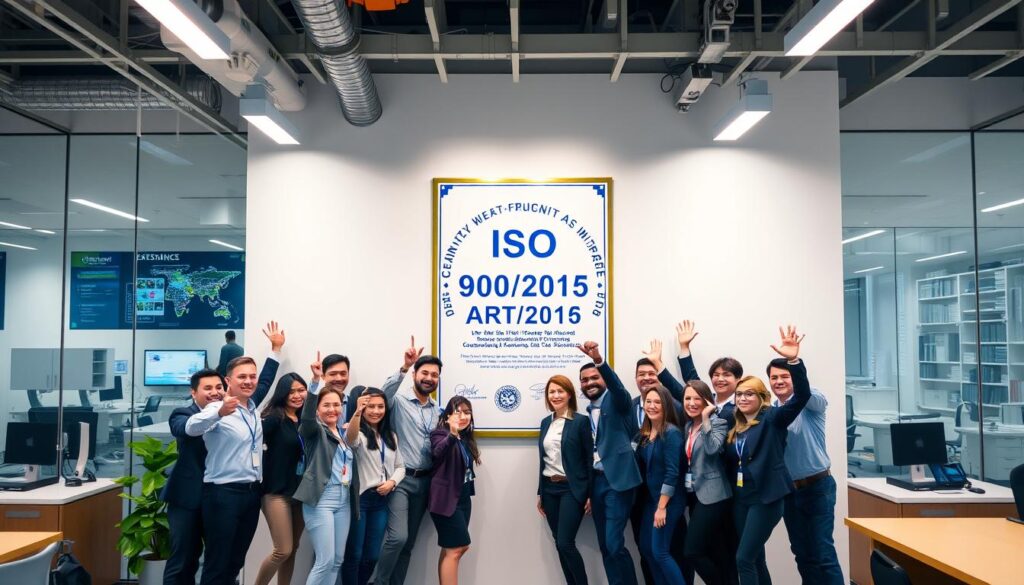
Hatton National Bank PLC (HNB) has reached a major milestone in procurement excellence. The bank’s Procurement Functions have earned the ISO 9001:2015 certification from Bureau Veritas. This recognition highlights HNB’s dedication to top-notch quality management.

HNB Procurement Function Earns Prestigious ISO 9001:2015 Certification

The certification covers HNB’s IT, Stationery, and General Procurement processes. It shows the bank’s focus on improving operations and supplier relationships. This achievement makes HNB a leader in the financial sector.

HNB continues to prioritize efficiency and service excellence. The bank operates through 254 customer centers across Sri Lanka.

HNB Procurement Function Earns Prestigious ISO 9001:2015 Certification

Hatton National Bank’s (HNB) Procurement Function has achieved ISO 9001:2015 certification. This milestone showcases HNB’s dedication to top-quality and efficient procurement processes. The certification proves HNB’s commitment to excellence in banking operations.

Benchmark of Excellence in Procurement Processes

ISO 9001:2015 is a global standard for quality management systems. HNB’s certification shows its use of international best practices in procurement. This achievement sets a new bar for excellence in the banking industry.

The bank’s dedication to ongoing improvement in procurement is clear. HNB continues to lead the way in banking innovation and efficiency.

Certification Awarded by Bureau Veritas

Bureau Veritas, a global certification body, awarded HNB the ISO 9001:2015 certification. They performed a thorough review of HNB’s procurement processes. The bank met the strict ISO 9001:2015 standard requirements.

This success shows HNB’s focus on quality, risk management, and compliance. The bank ensures top-notch performance in all procurement functions.

Covers IT Procurement, Stationery Procurement, and General Procurement

The certification applies to HNB’s IT, Stationery, and General Procurement processes. This wide coverage ensures high standards across all procurement operations. HNB aligns its practices with global benchmarks for better efficiency.

By improving these processes, HNB boosts its ability to serve customers. The bank continues to provide superior value to all stakeholders.

Commitment to Service Quality and Operational Excellence

HNB’s procurement function has earned the ISO 9001:2015 certification. This achievement highlights their dedication to efficient processes. It also shows their commitment to service quality across procurement operations.

ISO 9001:2015 Certification Reinforces Dedication to Efficient and Standardized Processes

HNB aligns its procurement with ISO 9001:2015 international benchmarks. This ensures high standards of operational efficiency. The certification involved thorough reviews and documentation of processes.

HNB fosters a culture of continuous improvement. They strive for excellence in all aspects of procurement.

Aligns Operations with Rigorous International Benchmarks

The ISO 9001:2015 certification ensures HNB follows global best practices. This guarantees consistency and reliability in procurement processes. HNB shows its commitment to superior service quality through this certification.

Enhances Customer Satisfaction through Robust Quality Management Systems

HNB implements strong quality management systems with ISO 9001:2015. These systems help meet and exceed customer expectations consistently. This approach enhances satisfaction and builds long-term relationships with stakeholders.

HNB prioritizes service reliability and consistency. This positions them as a trusted partner in the financial industry.

Benefits of ISO 9001:2015 Certification for HNB and Stakeholders

HNB’s Procurement Function has earned ISO 9001:2015 certification. This achievement brings many benefits to the bank and its stakeholders. It shows HNB’s dedication to efficient, transparent, and customer-focused procurement processes.

Strengthens Internal Processes and Compliance

The certification bolsters HNB’s internal processes. It ensures all procurement activities follow clear procedures and guidelines. This enhancement improves compliance with regulations and reduces non-conformity risks.

HNB can maintain consistent and reliable procurement operations. This is achieved through robust quality management systems.

Enhances Risk Management and Service Reliability

ISO 9001:2015 certification boosts risk management in HNB’s procurement. The bank can ensure reliable supply chain management by identifying and reducing potential risks.

This proactive approach builds stakeholder confidence. They can trust HNB to deliver products and services without interruptions.

Affirms Position as a Customer-Centric Financial Institution

The certification confirms HNB as a progressive, customer-focused financial institution. It shows HNB’s commitment to high-quality, efficient procurement processes.

This achievement proves HNB’s dedication to ongoing improvement. It also demonstrates the bank’s ability to exceed industry standards in service quality and customer satisfaction.