ASPI Surges 15% as Stock Market Recovers in 2024

ASPI Surges 15% as Stock Market Recovers in 2024

The Sri Lankan stock market showed strong recovery in 2024. The All Share Price Index (ASPI) went up a lot in the first half of the year. This was a big moment for the country’s economic bounce back. It showed investors were feeling good about putting their money in Sri Lanka. The rise in the ASPI index was a sign of growing confidence. It also showed the country’s overall economic improvement.

The economy of Sri Lanka is looking up, according to fiscal data. Government revenue jumped from Rs. 1,448 billion in 2022 to Rs. 2,110 billion in 2023. Meanwhile, tax revenue went from Rs. 1,283 billion to Rs. 1,934 billion. At the same time, government spending increased a lot. This was to help the economy grow more.

The country sold less abroad, with exports dropping. However, the tourism sector saw a lot more visitors. This showed the world is trusting Sri Lanka more. There was also a big increase in money sent home by workers abroad. This helped improve the country’s financial health overall.

The recovery of the stock market was helped by better monetary conditions. The interest rates banks charge each other fell significantly. And, the returns on short-term government loans also went down. This made it cheaper for people and companies to borrow money. This likely helped the stock market do well, attracting both local and global investors.

Stock Market Recovers, ASPI Gains 15% in First Half of 2024

The 15% increase in the ASPI shows Sri Lanka’s economic progress. These results are good news. But, we need to watch the world’s political and economic changes too. They could affect the market. Still, this positive change gives hope for a strong market and ongoing investments ahead.

Analyzing the Reasons Behind ASPI’s 15% Climb

The All Share Price Index (ASPI) of the Sri Lankan stock market rose by 15% in 2024. This jump shows the impact of different factors. The foreign investment trends, updated economic policies, and sectoral performance together led to this market upturn.

The Impact of Foreign Investment Trends on ASPI

Foreign investment is key to the Sri Lankan stock market. There’s an ongoing change between money coming in and out. Even with a net foreign outflow in 2024, foreign investors bought LKR 100 million worth. This indicates global trust in some market sectors.

How Economic Policies Influenced the Stock Market Recovery

New economic policies have helped the market find stable ground. The 2024 Fiscal Management Report outlines a focus on spending smart and increasing revenue. These actions helped the Sri Lankan stock market find balance, aiding the ASPI’s rise.

Sectoral Performances Driving ASPI’s Surge

Important sectors like financial services helped push the ASPI up. Sectors such as diversified financials, food, beverage, & tobacco, have seen big growth. They played a major part in the ASPI’s 15% increase in 2024.

Sector Contribution to Turnover Percentage of Total Market Turnover
Banking and Financial Services LKR 662 million 30%
Diversified Financials LKR 403 million 18%
Food, Beverage & Tobacco LKR 400 million 18%
Capital Goods LKR 210 million 9%
Consumer Services LKR 173 million 8%

With market capitalization on the rise, it’s evident that specific investments and policies worked together to lift the ASPI. These efforts show the detailed work needed in Sri Lankan stock market analysis. It illustrates how government, sectoral, and global factors combine to boost the market.

Sri Lankan stock market analysis

Stock Market Recovers, ASPI Gains 15% in First Half of 2024

The financial news from Sri Lanka’s stock market is positive. The All-Share Price Index (ASPI) went up by 15% in the first half of 2024. This shows the market and economy are strong. Investors are showing confidence in different sectors, not just one. Banks and John Keells Holdings made big contributions. The S&P 20 index also went up by about 19%, showing great investment chances in the country.

Local money flowing into the market has helped it recover. This is because investment in bonds is giving lower returns. Also, investors are taking less risk. This change matches well with the good news from the International Monetary Fund (IMF). Past financial troubles made the Sri Lankan Rupee drop. But now, the market could go up by 40-60% in the next 18 months. This is if it keeps following the IMF’s advice and gets ongoing investor support.

As people become more hopeful about the market, how Sri Lanka deals with its foreign debt is crucial. If banks do well, we might see changes in the stock market. The market has grown, showing a 9.77% gain recently. Measures of market health look good too. Local players, wealthy individuals, and regular folks have good expectations for mid-2025. They think the market will keep getting better. This is linked to peaceful changes in politics, moving towards the Janatha Vimukthi Peramuna (JVP). The story of Sri Lanka’s economic recovery ties into this political shift. This shows the stock market’s rise is also a sign of the country’s overall strength.
Sri Lanka Strengthens Diplomatic Ties with India, China

Sri Lanka Strengthens Diplomatic Ties with India, China

Sri Lanka is making big moves in South Asia. It’s boosting its foreign policy by getting closer to India and China. This is crucial because Sri Lanka is in a key spot for sea routes. Seeing how important these partnerships are, especially after a tough economic hit, Sri Lanka is stepping up.

The country got a huge $4 billion aid from India and China is its main lender. President Wickremesinghe is all in on building these relationships. He wants alliances that support Sri Lanka’s future and independence.

Key Takeaways

  • India’s $4 billion economic support supersedes IMF’s assistance during Sri Lanka’s recent fiscal crisis.
  • China’s extensive involvement in post-civil war development projects underscores its significant influence in Sri Lankan affairs.
  • The Janatha Vimukthi Perumana’s stance on foreign policy exhibits a tilt towards China, creating a complex diplomatic landscape.
  • Delicate balancing of Sri Lanka’s alliances with India and China remains a focal point for the administration.
  • India’s proactive “India Out” tourism campaign and immediate aid reflect a strategic investment in Sri Lankan stability.
  • India and China, with competing interests, remain unlikely allies in Sri Lanka’s path to recovery.
  • New initiatives under the “Indo-Lankan investment partnership” highlight India’s commitment to regional solidarity.

Overview of Sri Lanka’s Diplomatic Strategy

Sri Lanka is carefully crafting its foreign policies due to increasing geopolitical rivalry. The country aims to boost its strategic autonomy. Strengthening relationships with major Asian countries, especially India and China, is key. Sri Lanka’s focus is on improving its economy and military, and smoothly handling regional politics. They commit to nonaligned foreign policies.

The nation has a clear stance on global conflict management. Its neutral position in the Ukraine conflict highlights this approach. By staying non-aligned, Sri Lanka wisely manages its international relations during global tensions. Strengthening ties with India shows a smart balance. They are working more on energy and economic areas together.

Engaging diplomatically with India and China brings clear benefits. Projects in defense, trade, and infrastructure are ongoing. These efforts show Sri Lanka’s smart strategy. It aims to gain diplomatically while keeping balanced ties globally.

Sector Initiative Partner Country Details
Defense Capacity-building for Police Officers India Training courses for over 130 officers in India’s premier defense institutions, focusing on counter-terrorism and internal security.
Economic Financial Assistance India Financial support under the “Aid to Sri Lanka” program, reinforcing economic ties and facilitating Sri Lanka’s financial restructuring with international bodies.
Energy Enhanced Cooperation India Agreement in 2023 focused on strengthening energy and economic exchanges, crucial for Sri Lanka’s sustained growth and energy security.

In navigating global diplomacy, Sri Lanka is keen on a balanced, independent policy. By connecting with both India and China, it boosts its role. Sri Lanka aims for regional stability and prosperity. Its strategy of forming varied alliances while staying autonomous makes it key in South Asia.

Sri Lanka Strengthens Diplomatic Ties with India and China

Sri Lanka is in a key spot in the Indian Ocean, making big moves diplomatically. It’s working closely with India and China, two big names in the region. These partnerships cover defense, economy, and big projects, all while keeping a balanced foreign policy.

Enhanced Defense Cooperation with India Reflects Deeper Ties

The partnership between Sri Lanka and India has reached a new level. Thanks to the ITEC program, India is helping Sri Lanka’s officers with special training and support. This is key for India to keep its influence in the Indian Ocean. The two countries also work together on protecting marine ecosystems and boost trade with renewable energy projects in focus.

Sri Lanka’s Economic Engagements and Infrastructure Projects with China

Sri Lanka and China are also working closely, with big agreements shaping their partnership. Landmark projects like Port City Colombo show China’s big role, as Sri Lanka’s top creditor. Despite financial and political challenges, these projects keep moving forward, linking to China’s broad economic plans.

Strategic Balancing in Regional Partnerships

Sri Lanka is smartly managing its relations with big economies like China, India, and the US. Even with India and China’s tensions, Sri Lanka seeks balance, keeping its interests first. This diplomatic skill helps it stay important in regional and global politics, where smart choices matter a lot.

HNB Procurement Earns ISO 9001:2015 Certification

HNB Procurement Earns ISO 9001:2015 Certification

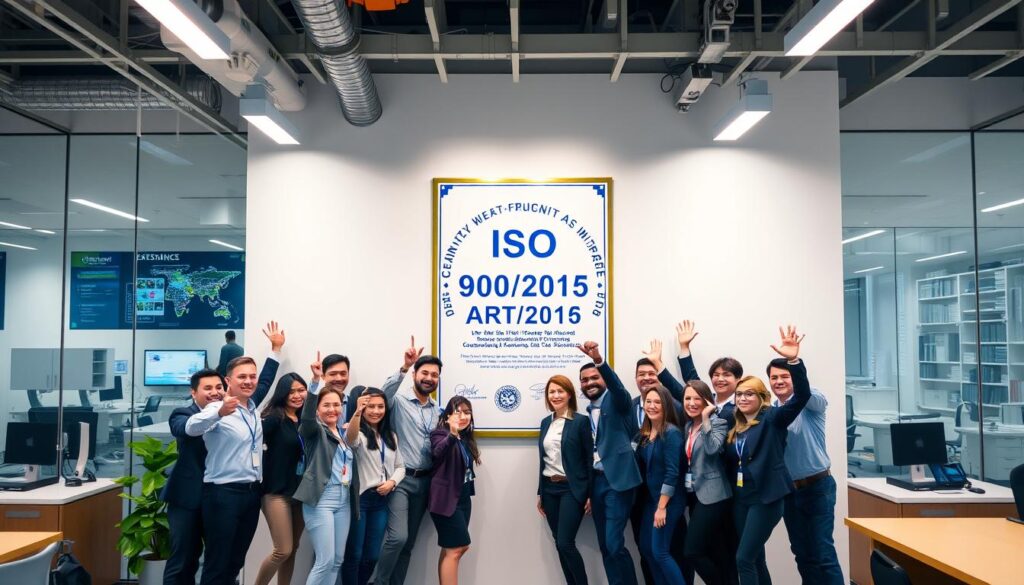
Hatton National Bank PLC (HNB) has reached a major milestone in procurement excellence. The bank’s Procurement Functions have earned the ISO 9001:2015 certification from Bureau Veritas. This recognition highlights HNB’s dedication to top-notch quality management.

HNB Procurement Function Earns Prestigious ISO 9001:2015 Certification

The certification covers HNB’s IT, Stationery, and General Procurement processes. It shows the bank’s focus on improving operations and supplier relationships. This achievement makes HNB a leader in the financial sector.

HNB continues to prioritize efficiency and service excellence. The bank operates through 254 customer centers across Sri Lanka.

HNB Procurement Function Earns Prestigious ISO 9001:2015 Certification

Hatton National Bank’s (HNB) Procurement Function has achieved ISO 9001:2015 certification. This milestone showcases HNB’s dedication to top-quality and efficient procurement processes. The certification proves HNB’s commitment to excellence in banking operations.

Benchmark of Excellence in Procurement Processes

ISO 9001:2015 is a global standard for quality management systems. HNB’s certification shows its use of international best practices in procurement. This achievement sets a new bar for excellence in the banking industry.

The bank’s dedication to ongoing improvement in procurement is clear. HNB continues to lead the way in banking innovation and efficiency.

Certification Awarded by Bureau Veritas

Bureau Veritas, a global certification body, awarded HNB the ISO 9001:2015 certification. They performed a thorough review of HNB’s procurement processes. The bank met the strict ISO 9001:2015 standard requirements.

This success shows HNB’s focus on quality, risk management, and compliance. The bank ensures top-notch performance in all procurement functions.

Covers IT Procurement, Stationery Procurement, and General Procurement

The certification applies to HNB’s IT, Stationery, and General Procurement processes. This wide coverage ensures high standards across all procurement operations. HNB aligns its practices with global benchmarks for better efficiency.

By improving these processes, HNB boosts its ability to serve customers. The bank continues to provide superior value to all stakeholders.

Commitment to Service Quality and Operational Excellence

HNB’s procurement function has earned the ISO 9001:2015 certification. This achievement highlights their dedication to efficient processes. It also shows their commitment to service quality across procurement operations.

ISO 9001:2015 Certification Reinforces Dedication to Efficient and Standardized Processes

HNB aligns its procurement with ISO 9001:2015 international benchmarks. This ensures high standards of operational efficiency. The certification involved thorough reviews and documentation of processes.

HNB fosters a culture of continuous improvement. They strive for excellence in all aspects of procurement.

Aligns Operations with Rigorous International Benchmarks

The ISO 9001:2015 certification ensures HNB follows global best practices. This guarantees consistency and reliability in procurement processes. HNB shows its commitment to superior service quality through this certification.

Enhances Customer Satisfaction through Robust Quality Management Systems

HNB implements strong quality management systems with ISO 9001:2015. These systems help meet and exceed customer expectations consistently. This approach enhances satisfaction and builds long-term relationships with stakeholders.

HNB prioritizes service reliability and consistency. This positions them as a trusted partner in the financial industry.

Benefits of ISO 9001:2015 Certification for HNB and Stakeholders

HNB’s Procurement Function has earned ISO 9001:2015 certification. This achievement brings many benefits to the bank and its stakeholders. It shows HNB’s dedication to efficient, transparent, and customer-focused procurement processes.

Strengthens Internal Processes and Compliance

The certification bolsters HNB’s internal processes. It ensures all procurement activities follow clear procedures and guidelines. This enhancement improves compliance with regulations and reduces non-conformity risks.

HNB can maintain consistent and reliable procurement operations. This is achieved through robust quality management systems.

Enhances Risk Management and Service Reliability

ISO 9001:2015 certification boosts risk management in HNB’s procurement. The bank can ensure reliable supply chain management by identifying and reducing potential risks.

This proactive approach builds stakeholder confidence. They can trust HNB to deliver products and services without interruptions.

Affirms Position as a Customer-Centric Financial Institution

The certification confirms HNB as a progressive, customer-focused financial institution. It shows HNB’s commitment to high-quality, efficient procurement processes.

This achievement proves HNB’s dedication to ongoing improvement. It also demonstrates the bank’s ability to exceed industry standards in service quality and customer satisfaction.

Religious Minorities Face Shrinking Space in Sri Lanka

Religious Minorities Face Shrinking Space in Sri Lanka

Sri Lanka is facing a tough time with its religious minorities. The country is known for its varied religious community. Yet, the freedom for these minorities is getting narrower. This is due to rising incidents of religious discrimination in Sri Lanka. Social exclusion and official actions add to this problem, showing the tension in this South Asian island.

Human rights groups have pointed out issues like the controversial Prevention of Terrorism Act (PTA). This act is often used against minority groups. Land disputes in areas affected by past wars increase Sri Lankan religious tensions. The building of Buddhist temples on lands important to Hindu and Muslim minorities causes more strain. Christians in rural areas also face difficulties. This all shows the shrinking space for religious minorities in Sri Lanka.

There is a need for unity, as seen in the recent Vesak celebrations. However, hardships like Judge T. Saravanaraja’s resignation due to threats highlight the tough road for religious coexistence in Sri Lanka. Government actions favoring Buddhist sites over minority worship places show the ongoing struggle.

Shrinking Space for Religious Minorities in Sri Lanka

Key Takeaways

  • Escalating acts of religious discrimination in Sri Lanka adversely affect minority faiths.
  • Legislation like the Prevention of Terrorism Act is often applied in a manner that impacts the minority rights and freedoms.
  • Land disputes and the erection of Buddhist structures on minority lands fuel Sri Lankan religious tensions.
  • The significant presence of Hindus, Muslims, and Christians in the north and east counters the Buddhist-majority narrative.
  • President Wickremesinghe’s declarations and the militarization of cultural sites highlight the shrinking space for religious minorities in Sri Lanka.
  • Judicial resignations and forced registration of new religious centers indicate a challenging environment for free religious expression.

Historical Context and Current Challenges for Minority Faiths

Sri Lanka’s mix of cultures and faiths is deeply historical but challenging for minority religions. Its religious diversity is key to the nation’s identity. Yet, it leads to friction, especially between the Sinhalese Buddhist majority and minorities like Hindus, Muslims, and Christians. These tensions often turn into discrimination and clashes over temple lands.

Understanding Sri Lanka’s Ethnic and Religious Composition

About 70% of Sri Lankans are Buddhists. The rest are Hindus, Muslims, and Christians. This blend of cultures and religions, while rich, sometimes leads to tension and conflict. The civil war and its aftermath saw many such periods, including attacks on religious minorities and disappearances of Tamils.

Growing Concerns Over Discriminatory Legislation and Practices

Recently, Sri Lanka has seen more laws that unfairly target religious minorities. These laws have restricted burial rights during the COVID-19 pandemic for Muslims and Christians. They also include a ban on face-covering veils. The Prevention of Terrorism Act (PTA) has been used to target these minorities, affecting their freedom and creating a culture of fear.

USCIRF and International Observers Raise Alarm

The USCIRF report and other international reviews have highlighted increasing religious persecution in Sri Lanka. They stress the need to protect minority faiths from national policies that sideline them. There’s a global call for Sri Lanka to ensure its diverse faiths can coexist peacefully and equally.

Year Event Impact on Religious Minorities
2019 Easter Bombings & Subsequent Emergency Laws Arrests of approximately 1,800 Muslims, highlighting exacerbated ethnic tensions and surveillance.
2020 COVID-19 Burial Regulations Ban on burials affecting Muslim and Christian funerary practices.
2021 Veil Ban & Amendments in Anti-Terrorism Legislation Increased targeting of Muslim populations and potential misuse of PTA to quash dissent.
2021 Outlawing of Organizations on Extremism Grounds Political marginalization of groups under the pretext of clamping down on extremism.

Shrinking Space for Religious Minorities in Sri Lanka

Recent events have shown a big decrease in civic space in Sri Lanka. This has really affected minority religious groups under pressure. People are talking more and more about how hard it is for these groups to practice their religions freely.

A clear example is the use of the Prevention of Terrorism Act (PTA). It’s unfairly used against Muslims, often on weak evidence. The government also wants to ban burqas and shut down Islamic schools. This shows a clear attack on religious freedom in Sri Lanka. A 2023 U.S. Department of State report talks about how bad things have gotten for religious minorities. It says we need to keep a close eye and help out.

There’s also more hate from nationalist groups towards Muslims. They see Muslims as a threat. Even though attacks on Christians went down from 80 in 2022 to 43 in 2023, the problem hasn’t gone away. Police not doing their job adds to the problem.

The country backing out of a U.N. agreement and some dictatorship-like moves have made people worry more about human rights suffering. This has got international groups asking for action. The USCIRF wants Sri Lanka watched more closely. They’re calling for the world to pay more attention and work together to solve these issues.

Keeping religious freedom alive needs strong interfaith talks in Sri Lanka. The CSW says to listen to U.N. suggestions and put pressure for legal changes. They even suggest using the U.S. Global Magnitsky Act against those hurting human rights. This shows how serious this is, reaching beyond just Sri Lanka.

Efforts in other areas, like sustainable fisheries, contrast sharply with the struggles of minority religious groups. It reminds us that tackling challenges in Sri Lanka needs many approaches. We mustn’t forget to protect those at risk and work towards an open and fair society for all.

Strategies and Recommendations for Protecting Religious Freedom

In Sri Lanka, religious minorities face big challenges. It’s crucial to work on strategies that protect their freedom to believe. Laws are key, and there’s a real need to change them to make sure everyone has religious freedom. Especially, the Prevention of Terrorism Act (PTA) needs a close look. It’s been used unfairly against Tamil and Muslim folks, catching a lot of Tamil youth unfairly from 2018 to 2021.

Improving how different faiths get along is super important for a respectful society. The scores showing how active people are in their communities are pretty low. Plus, the government isn’t supporting UN Human Rights like before. We really need to get people caring more about celebrating all religions. This could help stop the bad stuff like spying and unfair treatment High Commissioner Michelle Bachelet talked about. We should also help people see themselves as Sri Lankans first, which could make religious labels less of a big deal.

It’s also smart to use international tools and rules, like the Global Magnitsky Act, to push for better treatment of people. Talking directly to other countries helps put pressure on those who aren’t treating people right. This kind of support, like what defenders like Ambika Satkunanathan got, is huge. Sri Lanka’s seen as partly free and sort of okay at respecting religious practices right now. But with some smart changes, especially in how social media is used, things could get a lot better. Working with groups like OMP Sri Lanka to share real, fair news is key to making sure everyone knows what’s happening. This is all part of the bigger fight for justice and treating everyone right, no matter what they believe.

Sri Lanka’s E-Government Services Expand Amidst Pandemic

Sri Lanka’s E-Government Services Expand Amidst Pandemic

The South Asian island nation of Sri Lanka is seeing big changes in how it’s run. Thanks to digital transformation, the government is pushing fast to get online government services out there. This ensures important work can still happen, even in tough times. The pandemic has really made the move to remote access to government services take off. It’s all part of a plan to grow Sri Lanka’s digital economy.

With the help of State Minister Kanaka Herath, Sri Lanka has big digital goals. They want their digital economy to hit about $15 million by 2030. That’s a huge jump from $4 million in 2022. They’ve set up a plan with the National Digital Strategy 2030. It aims to get more people online and build a strong digital infrastructure.

COVID-19 shook things up, but Sri Lanka kept moving forward. More people are using the internet and social media now than before. The government is working hard to make e-services better. And they’re excited about starting a new digital ID system.

At the same time, Sri Lanka is beefing up its digital laws. They’ve approved the Data Protection Act. This creates a new Data Protection Authority. They’re also working on a Cyber-Security Act. These moves are all about keeping data safe and making sure their digital government is strong.

Sri Lanka's E-Government Services Expand Amidst Pandemic

Sri Lanka’s dedication to digital is inspiring. It’s not just about technology; it’s about bringing people together and making life better. They’re using tech to improve things like health and farming. This will keep the economy and people’s health strong after the pandemic.

Sri Lanka’s E-Government Services Expand Amidst Pandemic

Sri Lanka has taken big steps in digital governance, especially because of COVID-19. It is working on making government e-services and improving government digital infrastructure better. This helps meet the urgent needs of its people. It also increases digital use among them.

The Genesis of Digital Governance in Sri Lanka

Sri Lanka started its digital governance to improve life quality. It looked up to Estonia, known for its digital success. Sri Lanka wants to raise its digital literacy rate and get more people online. Right now, only 37% of its residents use the internet.

Even with better technology and lower costs, more digital projects are needed. A big problem is that many people don’t know enough about how to use digital tools well.

Accelerated Digital Transformation Through National Digital Strategy 2030

COVID-19 made Sri Lanka push its digital change faster with its National Digital Strategy 2030 plan. This plan uses technology to help in social and economic growth. By improving government e-services, it builds a strong digital environment. This prepares Sri Lanka for future challenges and ensures everyone can access information and services.

The Role of ICTA During the COVID-19 Outbreak

During COVID-19, the ICTA showed how vital it is. It came up with digital solutions to help manage the crisis. ICTA created apps like MyHealth Sri Lanka. These apps shared important information and helped with things like airport clearances and tracking contacts.

The work by ICTA supports digitalization initiatives and the aim to improve government digital infrastructure. These efforts link to the National Digital Strategy 2030. They show a plan to increase tourism, enhance public health, and promote digital skills. This creates a digital-first mindset in government and public actions.

Year Internet Penetration Rate (%) Digital Literacy Rate (%)
2019 29.3 28.6
2020 34.3 37.0
2021 38.5 42.0

As Sri Lanka moves forward after the pandemic, improving digital skills is key. By focusing on government e-services, the country is a model for blending digital and traditional governance. This approach makes the society more connected and stronger.

Driving Factors Behind the Surge in Digitalization

Sri Lanka is quickly becoming digital, thanks to several reasons. The COVID-19 pandemic made digital options a must. The country now aims to be a big part of the global digital marketplace. With over 60% of people having mobiles, there’s a strong base for digital growth. Sri Lanka’s digital sector is now worth almost US$3.47 billion. This shows the nation’s big push toward digital technology.

Working with other countries is key to Sri Lanka’s digital plans. For example, India helped fund the Unique Digital Identity Project with 450 million Indian rupees. This project and others like MOSIP show Sri Lanka’s effort to give its citizens a digital ID. But there have been challenges, like delays and worries about data safety. These issues highlight the need for strong privacy and security steps.

Sri Lanka is also focusing on digital education. Projects like ECD and AHEAD are enhancing digital skills among students. This effort is supported by the World Bank and the Asian Development Bank (ADB). The country is getting ready for a future with a digital-savvy workforce.